Performance Analysis of Machine Learning Methods for Classifying Types of Dry Beans
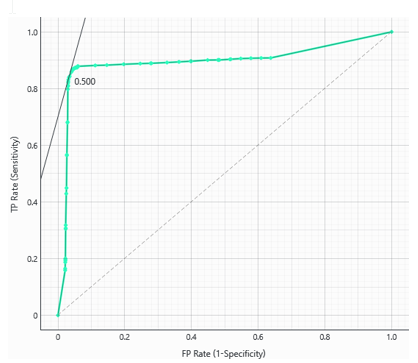
Dry beans are a staple food of strategic importance worldwide and in our country due to their high protein content and nutritional value. In agricultural production, preserving seed quality and ensuring product standardization play a critical role in food safety and commercial sustainability. In this context, the accurate and rapid differentiation of morphologically similar bean varieties is essential for maintaining product purity. The main objective of this study is to enable the automatic and highly accurate classification of seven different dry bean varieties registered in Turkey using modern artificial intelligence technologies. Unlike traditional methods, the goal is to develop a decision support system that minimizes human-induced classification errors arising from physical similarities. The study utilized the Dry Bean Dataset obtained from open-source platforms. The dataset includes 16 different numerical morphological and shape features such as Area, Perimeter, Principal Axis Length, and Eccentricity, along with 7 different target classes: Seker, Barbunya, Bombay, Bush, Dermason, Horoz, and Sira. Decision Tree, Random Forest, Logistic Regression, and Artificial Neural Networks algorithms were used to solve the classification problem and perform performance analysis. As a result of the experimental analyses conducted, the highest classification success was achieved with the Artificial Neural Networks model, with a general accuracy rate of 93.4% and an AUC value of 0.995. In contrast, the lowest performance was observed in the Decision Tree algorithm, with an accuracy rate of 90.6%. This developed system has the potential to automate quality control processes in the food industry, thereby reducing manual sorting costs and increasing processing speed. Furthermore, it can provide industrial benefits as a reliable digital tool in seed certification processes and in verifying the purity of commercial products.